
Washing machine spin, drum, and motor problems are usually caused by a worn drive belt, faulty motor, damaged bearings, or another internal component. These faults can produce symptoms such as unusual noises, a drum that does not turn properly, intermittent operation, or a burning smell.
The good news is that identifying the symptom can often help narrow down which component may be responsible. Below is a breakdown of the most common motor, drum, belt, bearing, and drive-system problems, how to check what may be wrong, and when repair or replacement is the better option.
Jump to a section
- Why Is Washing Machine Motor Not Working?
- Can a Washing Machine Motor Be Repaired?
- Why Is the Washing Machine Drum Not Turning?
- Can a Washing Machine Drum Be Repaired?
- Why Is the Washing Machine Belt Broken?
- Why Is Washing Machine Making Loud Noise?
- How Much Does Washing Machine Drum or Motor Repair Cost in Dubai?
Why Is Washing Machine Motor Not Working?
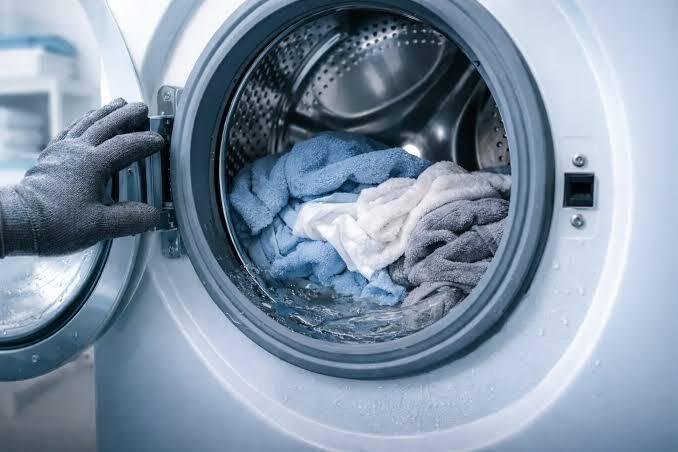
A washing machine motor can stop working because of worn carbon brushes, a burnt-out motor winding, a faulty capacitor, thermal overload, or wiring problems.
How to check: Listen when the machine starts a cycle. Complete silence may indicate an electrical or motor fault, while humming without normal drum movement can point to a motor, capacitor, or drive problem. A burning smell can also indicate an overheated or damaged motor.
Solution: Worn carbon brushes and faulty capacitors can often be replaced without replacing the complete motor. If the motor winding has burnt out or the motor has an internal fault, replacement is usually the more reliable option.
Can a Washing Machine Motor Be Repaired?
Yes, some motor problems can be repaired. Worn brushes, faulty capacitors, and loose wiring connections are examples of faults that may not require complete motor replacement.
How to check: A technician can test the motor’s resistance and continuity and inspect the capacitor, wiring, and brush contacts where applicable.
Solution: Component-level faults are usually cheaper to repair than replacing the complete motor. If the motor winding is burnt out or there is an internal short, replacing the motor is generally more reliable than attempting a repair.
If the motor has an internal fault or requires testing, a professional washing machine technician in Dubai can diagnose the problem and advise whether repair or replacement is appropriate.
If you’re deciding whether an older appliance is worth repairing, see our guide on Should You Repair or Replace Your Washing Machine?
Why Is the Washing Machine Drum Not Turning?
A drum that does not turn can be caused by a broken drive belt, seized drum bearing, failed motor, damaged pulley, or another mechanical fault.
How to check: With the machine switched off and unplugged, try turning the empty drum by hand. If it is very difficult to move or feels rough, the bearings or another mechanical component may be damaged. If the drum turns freely but does not operate during a cycle, the motor or drive system may need inspection.
Solution: A broken or slipped belt may need replacement, while worn bearings can require more involved repair. If the motor has failed, replacement may be necessary depending on the model.
If you’re dealing with a general spin-cycle problem rather than a suspected internal fault, see our Washing Machine Not Spinning troubleshooting guide first.
Can a Washing Machine Drum Be Repaired?
Yes. Drum-related problems such as worn bearings, a damaged spider arm, or certain drum component faults can often be repaired without replacing the complete drum.
How to check: Grinding noises, excessive drum movement, rust-colored water around the drum shaft, or unusual resistance when turning the drum can indicate bearing or drum-related problems.
Solution: Bearing replacement is a common repair. A damaged spider arm can require more extensive disassembly, while complete drum replacement is generally only necessary when the drum or assembly is badly damaged.
Why Is the Washing Machine Belt Broken?
Drive belts naturally wear from friction and heat, but they can also fail because of a damaged pulley, a mechanically restricted drum, or excessive strain on the drive system.
How to check: If the model allows safe access to the belt, inspect it for cracks, fraying, stretching, or a complete break. A slipping belt may also produce a burning rubber smell or unusual squealing.
Before opening any panels or accessing internal components, check the manufacturer’s instructions for your specific washing machine, as access procedures vary by model.
Solution: A damaged belt normally needs replacement. The pulley and other drive components should also be checked because an underlying problem can cause a new belt to fail again.
Why Is Washing Machine Making Loud Noise?
Loud or unusual noises can sometimes indicate a drum or motor-related problem. Grinding or rumbling during operation can point to worn bearings, while squealing may be related to the belt or pulley.
How to check: Pay attention to when the noise occurs and whether it changes as the drum speed increases. Grinding or rumbling that becomes louder during spin should be inspected for bearing wear.
Solution: Trapped objects may sometimes be removed without major repair, but persistent grinding, rumbling, or other mechanical noises should be inspected before continued use causes further damage.
How Much Does Washing Machine Drum or Motor Repair Cost in Dubai?
Repair costs depend on the fault, washing machine brand and model, parts availability, and labor required.
Estimated Drum Repair Costs
- Drum bearing replacement: AED 250–450
- Spider arm replacement: AED 350–600
- Full drum replacement: AED 500–900+
Estimated Motor-Related Repair Costs
- Motor coupling or capacitor: AED 200–450
- Major motor repair or replacement: AED 400–1,200+
The final cost can vary significantly between models. A proper inspection is recommended before approving a motor or drum replacement because similar symptoms can sometimes be caused by a less expensive component.
FAQs
Is it worth repairing a washing machine motor or replacing it?
It depends on the fault and the age of the machine. Brushes, capacitors, and wiring problems are usually worth repairing, while a motor with burnt windings or an internal short may be better replaced.
Can I fix a washing machine motor or drum problem myself?
Basic visual checks may be possible, but motor, bearing, and internal drum repairs usually require disassembly and electrical or mechanical testing. These repairs are better handled by a qualified technician.
How long does washing machine drum or motor repair take?
Simple repairs such as belt or smaller component replacement may be completed the same day when parts are available. Motor and drum repairs can take longer depending on the fault and availability of the required part.
Why does a washing machine make a grinding noise?
Persistent grinding or rumbling can be a sign of worn drum bearings or another internal mechanical problem. The machine should be inspected before the damage becomes more extensive.
How do I know if the washing machine motor needs replacing?
A technician normally needs to test the motor and related components first. A burnt winding or internal motor failure may require replacement, while brushes, capacitors, or wiring faults may be repairable.