
A washing machine is one of the most frequently used household appliances, making regular maintenance and timely repairs essential for reliable performance. Like any appliance with moving parts, it can develop wear over time, leading to reduced efficiency or unexpected breakdowns if minor issues are ignored.
Many homeowners face the same questions when a washing machine starts showing signs of trouble. Should you repair or replace your washing machine, how often should it be serviced, and how long does a repair usually take? The right decision depends on factors such as the appliance’s age, condition, repair cost, and type of fault.
This guide explains how often a washing machine should be serviced, typical repair timelines, expected lifespan, and when repairing or replacing the appliance makes the most financial and practical sense. It also includes maintenance tips that can help improve performance and reduce the likelihood of future repairs.
Jump to Section
- How Long Does Washing Machine Repair Take?
- Is It Worth Repairing a Washing Machine?
- How Long Does a Washing Machine Last?
- When Should You Replace a Washing Machine Instead of Repairing It?
- Can Regular Maintenance Extend Washing Machine Lifespan?
- How Much Does Washing Machine Repair Cost in Dubai?
- Repair or Replace: How to Decide
How Long Does Washing Machine Repair Take?
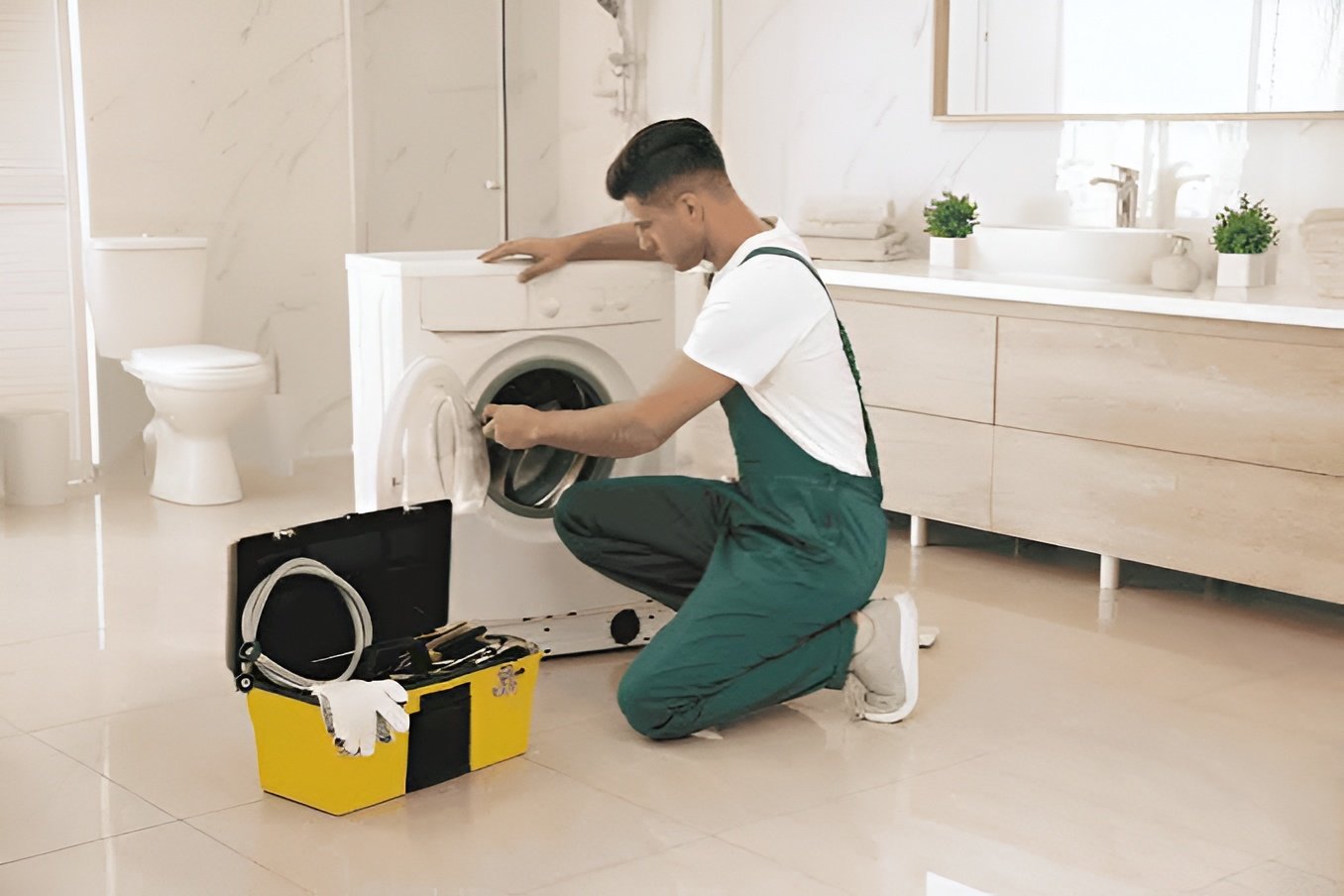
Most washing machine repairs are completed within 1 to 3 hours once the fault has been identified and any required replacement parts are available. Simple repairs can often be completed during a single visit, while more complex faults may require additional time if specialised components need to be ordered.
What Determines Repair Time?
The time needed to repair a washing machine depends on several factors, including:
- The type of fault affecting the appliance.
- The availability of replacement parts.
- The complexity of accessing the damaged component.
- The brand and model of the washing machine.
- The time required to diagnose the underlying problem accurately.
Minor mechanical issues are usually resolved quickly, whereas complex issues like washing machine motor and drum bearing repairs require full disassembly and take between 2 to 4 hours to complete.
Typical Repair Time
Although every repair is different, the following timeframes are common:
| Repair Type | Typical Time |
| Cleaning blocked filters or hoses | 30–60 minutes |
| Replacing a door lock, drain pump, or water inlet valve | 1–2 hours |
| Motor or control board repairs | 2–4 hours |
| Repairs requiring special-order parts | Additional time depending on parts availability |
A thorough diagnosis before replacing any components helps ensure the correct repair is completed, reducing the likelihood of repeat faults and unnecessary delays.
Is It Worth Repairing a Washing Machine?
In most cases, repairing your washing machine is worthwhile if the appliance is in good overall condition and the repair cost is much lower than replacing it. Faults involving components such as the drain pump, door lock, drive belt, or water inlet valve are often repaired successfully, allowing the appliance to continue operating reliably for several more years.
However, if the washing machine has frequent breakdowns, multiple failing components, or repair costs approaching the price of a new model, replacement may offer better long-term value.
When Repair Is Worth It
Repair is usually the better option when:
- The appliance is less than 8–10 years old.
- The fault is limited to one replaceable component.
- The repair cost is reasonable.
- Spare parts are readily available.
- The machine has been reliable before the current issue.
When Replacement Makes More Sense
Replacing the appliance may be the better choice if:
- Major components such as the drum, bearings, or control board have failed.
- The machine has required repeated repairs within a short period.
- Repair costs are close to the price of a comparable new model.
- Spare parts are no longer available.
- Washing performance and energy efficiency have noticeably declined
How Long Does a Washing Machine Last?
A washing machine typically lasts 10 to 13 years, although its actual lifespan depends on how it is used and maintained. Regular cleaning, timely repairs, and avoiding excessive strain on the appliance can help it perform reliably for many years, while neglect and heavy use may shorten its service life.
What Determines Its Lifespan?
No two washing machines age in exactly the same way. Some continue operating efficiently for well over a decade, while others require major repairs much sooner. The difference often comes down to everyday use and ongoing maintenance.
The lifespan of a washing machine is commonly influenced by:
- The quality of the appliance and its internal components.
- The number of wash cycles completed each week.
- Proper installation and balanced operation.
- Regular maintenance and cleaning.
- Water quality, especially in areas with hard water.
- Addressing small faults before they become larger problems.
Can a Washing Machine Last Longer?
Yes. A washing machine can often exceed its expected lifespan when it is properly maintained. Cleaning the drain filter, avoiding overloaded wash cycles, using the correct detergent, and scheduling routine servicing all help reduce wear on important components such as the motor, drain pump, and bearings. These simple habits improve reliability and reduce the likelihood of costly repairs over time.
When Should You Replace a Washing Machine Instead of Repairing It?
A repair doesn’t always mean the washing machine is ready for years of reliable use. Sometimes it fixes a single fault, while other ageing components continue to wear out. When repairs become a regular part of owning the appliance rather than an occasional solution, replacement is often the more practical choice.
Instead of focusing on one repair, look at the machine’s overall reliability. If it has become unpredictable, requires frequent attention, or no longer performs as expected, investing in another repair may only delay an inevitable replacement.
Think Beyond the Current Fault
Before approving another repair, consider how the washing machine has performed over the last few years.
Ask yourself:
- Has it become less reliable over time?
- Are new problems appearing soon after previous repairs?
- Does it still clean and spin clothes effectively?
- Are replacement parts becoming difficult to obtain?
- Will another repair restore dependable performance, or simply keep the appliance running for a little longer?
If there is little confidence that the appliance will remain reliable after the repair, replacing it is often the better long-term investment.
Can Regular Maintenance Extend Washing Machine Lifespan?
Yes. Regular maintenance is one of the most effective ways to extend the lifespan of a washing machine and reduce the likelihood of unexpected repairs. Routine cleaning and inspections help prevent dirt, detergent residue, lint, and mineral deposits from affecting important components.
Simple maintenance practices include:
- Clean the drain filter regularly.
- Wipe the door seal after washing.
- Clean the detergent drawer to remove detergent build-up.
- Avoid overloading the drum.
- Use the recommended detergent quantity.
- Inspect water inlet and drain hoses for wear or leaks.
- Leave the door slightly open after each wash to reduce moisture and odours.
- Schedule periodic professional servicing.
Following the manufacturer’s maintenance recommendations can also help keep the appliance operating as intended and reduce unnecessary wear on internal components. DEWA’s own guidance on efficient appliance use also recommends regular maintenance to reduce energy consumption and prevent avoidable breakdowns.
How Much Does Washing Machine Repair Cost in Dubai?
The cost of washing machine repair in Dubai generally ranges from AED 100 to AED 1,200+, depending on the nature of the fault, the replacement parts required, and the complexity of the repair.
Estimated Repair Costs
| Repair Type | Estimated Cost |
| Basic inspection or minor servicing | AED 100–250 |
| Minor component replacement | AED 200–500 |
| Motor, control board, or major mechanical repairs | AED 500–1,200+ |
Repair costs vary because the same symptom can have different underlying causes. For example, a machine that does not spin may only require a blocked drain filter to be cleaned, while another may need a new motor or control board. An accurate diagnosis ensures the repair addresses the actual fault rather than the visible symptom.
Repair or Replace: How to Decide
Choosing between repair and replacement depends on the appliance’s overall condition rather than its age alone. A washing machine with a single repairable fault may continue operating reliably for several years, while another with repeated breakdowns may become uneconomical to maintain.
Repair is generally a practical choice when:
- The appliance is relatively new.
- Only one component has failed.
- Repair costs are reasonable.
- The machine has a reliable service history.
- Spare parts are readily available.
Replacement may be the better option when:
- Major components have failed.
- Repair costs approach the price of a new machine.
- Breakdowns occur frequently.
- The appliance has exceeded its expected lifespan.
- Replacement parts are no longer available.
Making the decision based on repair cost, reliability, and the machine’s overall condition helps avoid unnecessary expenses while ensuring dependable performance.
Need a Professional Opinion? If you’re unsure whether your washing machine’s fault is worth repairing, Dubai’s trusted appliance repair experts can inspect it and give you a clear, no obligation recommendation before you decide.
Frequently Asked Questions
How often should a washing machine be professionally serviced?
A washing machine should generally be professionally serviced once a year. Appliances used frequently or exposed to hard water may benefit from servicing every 6 to 9 months.
How long does a typical washing machine repair take?
Most repairs are completed within 1 to 3 hours when replacement parts are available. More complex repairs may take longer if specialised components need to be ordered.
Is repairing an old washing machine worth it?
It depends on the appliance’s condition, repair cost, and repair history. Older machines with isolated faults may still be worth repairing, while repeated major failures often make replacement the better investment.
What is the average lifespan of a washing machine?
Most washing machines last between 10 and 13 years with regular maintenance and proper use.
Can regular maintenance reduce repair costs?
Yes. Routine maintenance helps identify minor issues before they develop into expensive repairs while keeping important components operating efficiently.
Which washing machine problems are usually worth repairing?
Faults involving drain pumps, door locks, water inlet valves, belts, hoses, and blocked filters are commonly repaired without replacing the entire appliance.
When is replacing a washing machine the better option?
Replacement is usually recommended when repair costs are high, multiple major components have failed, or the appliance has reached the end of its expected lifespan.
Does regular servicing improve washing machine performance?
Yes. Regular servicing helps maintain efficient water flow, improves cleaning performance, reduces wear on internal components, and extends the appliance’s lifespan.
Conclusion
Deciding whether to repair or replace a washing machine depends on several factors, including the appliance’s age, overall condition, repair cost, and maintenance history. Many common faults can be repaired successfully, allowing the washing machine to continue operating efficiently for years. However, repeated breakdowns or major component failures may indicate that replacement is the more practical long-term solution.
Regular servicing, routine maintenance, and prompt attention to minor problems help improve reliability, extend the appliance’s lifespan, and reduce the risk of costly repairs. Evaluating the condition of the washing machine before making a decision helps ensure the most cost-effective and dependable outcome.