
A dishwasher leaking from the door is one of the more alarming faults to notice, since water pooling on a kitchen floor feels urgent even when the actual cause is often simple and inexpensive to fix. Unlike a leak from underneath the unit, a door leak almost always points to one of a small, specific set of causes rather than a major internal fault.
In Dubai homes, door leaks typically stem from four primary issues: a worn or scale-crusted rubber door gasket, a cracked or clogged lower spray arm deflecting water sideways, over-foaming detergent, or an unlevel machine frame.
This guide walks through each likely cause in order of how common it is, what to check, and how to execute an easy fix so you can solve the problem quickly without guessing.
Jump to a section:
- Is the Door Seal (Gasket) Worn or Damaged?
- Is the Dishwasher Overloaded or Loaded Incorrectly?
- Is the Wrong Detergent Being Used?
- Is the Door Latch Misaligned?
- Is the Dishwasher Not Sitting Level?
- What to Do While Waiting for a Repair
Is the Door Seal (Gasket) Worn or Damaged?
Why This Is the Most Common Cause
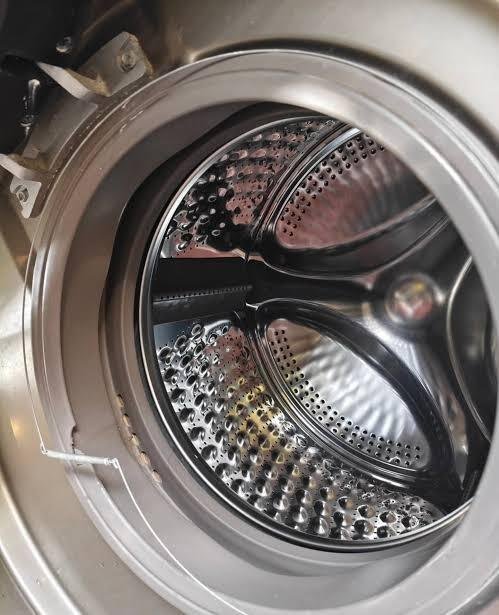
The rubber gasket running around the door frame is what keeps water inside the unit during a wash cycle, and like any rubber component, it hardens, cracks, or compresses out of shape over years of heat exposure and regular use. Once the seal can no longer form a complete barrier, water finds the weakest point and escapes during the wash or rinse phase.
How to Check
Run a hand along the entire gasket, feeling for any section that’s stiff, cracked, or visibly compressed compared to the rest. Food debris or residue trapped along the seal can also prevent it from sealing fully, even if the rubber itself is in good condition.
The Fix
A gasket with visible cracking, tearing, or permanent hardening needs replacement. In Dubai, high kitchen ambient heat and mineral-dense water accelerate the hardening of rubber seals faster than in temperate climates. To learn how local water chemistry and thermal stress impact internal components, read our guide on why dishwashers fail faster in Dubai.
Is the Dishwasher Overloaded or Loaded Incorrectly?
Why Overloading Causes Door Leaks Specifically
An overloaded dishwasher, or one where tall items block the spray arm’s normal rotation, can cause water to spray directly at the door rather than being contained within the wash chamber as designed. This is a loading issue rather than a mechanical fault, and it’s more common than most people realize.
How to Check
Notice whether the leak happens consistently with larger or fuller loads specifically, and check whether any tall items are positioned in a way that blocks the upper or lower spray arm from rotating freely.
The Fix
Rearranging the load so nothing obstructs the spray arms, and avoiding packing the racks beyond the manufacturer’s recommended capacity, resolves this immediately with no repair needed.
Is the Wrong Detergent Being Used?
Why Excess Suds Cause Leaking
Using regular dish soap instead of dishwasher-specific detergent, or simply using too much detergent, creates far more suds than the machine is designed to handle. Excess foam can force its way past the door seal during the wash cycle, appearing as a leak even though the seal itself is functioning normally.
How to Check
Open the door partway through a cycle if a leak is suspected, and look for an unusual amount of foam or suds inside the tub, well beyond what a normal wash cycle produces.
The Fix
Switching to a dishwasher-specific detergent and using the amount recommended for the machine’s size resolves this immediately. If excess suds have already caused a leak, running a rinse-only cycle first helps clear the foam before resuming normal use.
Is the Door Latch Misaligned?
Why a Misaligned Latch Prevents a Full Seal
The latch mechanism pulls the door tightly against the gasket to create a complete seal. If the latch has loosened or shifted out of alignment, the door may appear closed but isn’t being pulled tight enough to compress the seal properly.
How to Check
Close the door and check whether it feels as firm and snug as it used to, or whether there’s any perceptible give or looseness compared to normal.
The Fix
A technician can adjust or replace the latch mechanism, which is typically a straightforward repair once identified, though it’s not something to attempt without the right tools since forcing a misaligned latch can cause further damage.
Is the Dishwasher Not Sitting Level?
Why Leveling Affects Door Sealing
A dishwasher that isn’t sitting perfectly level can cause water to pool unevenly inside the tub during operation, putting uneven pressure on one section of the door seal rather than distributing it evenly around the full gasket.
How to Check
Placing a level on top of the dishwasher’s door, both side to side and front to back, reveals whether the unit is sitting evenly or leaning in one direction.
The Fix
Most dishwashers have adjustable feet at the base specifically for this purpose. Adjusting them until the unit reads level on both axes often resolves a leak that other checks haven’t explained.
What to Do While Waiting for a Repair
If a leak has been identified but a repair visit hasn’t happened yet, avoiding use of the dishwasher for large or heavy loads, and placing a towel at the base of the door as a precaution, limits water damage in the meantime. For a leak that isn’t resolved by the checks above, a dishwasher repair technician can identify the specific cause and confirm whether a part needs replacing, a straightforward visit given how localized door-leak causes typically are, unlike issues linked to Dubai’s hard water covered elsewhere in this guide, which is also worth ruling out through routine descaling maintenance if the leak reappears after a repair.
FAQs
Is a leaking dishwasher door dangerous to keep using?
It’s not immediately dangerous, but continued use risks water damage to surrounding cabinetry and flooring, and in some cases, electrical components if water reaches them. It’s worth addressing promptly rather than continuing to run cycles.
Can a door seal be repaired instead of replaced?
Generally no. A worn or cracked gasket needs full replacement rather than a partial repair, since a damaged seal can’t reliably hold a watertight barrier even after patching.
Does this leak pattern differ between built-in and freestanding dishwashers?
The core causes are the same for both types. Built-in units can make a leak harder to notice initially, since it’s less visible until water has already reached surrounding cabinetry.
How much does a door seal replacement typically cost?
This varies by model, but it’s generally one of the more affordable dishwasher repairs, since it’s a straightforward parts-and-labor job rather than anything involving major components.
Can hard water contribute to door seal problems?
Indirectly, yes. Mineral buildup along the seal’s surface can prevent it from sealing fully even before the rubber itself has degraded, which is part of why regular cleaning around the gasket matters as much as checking for physical wear.